How to Remove Pet Hair from Furniture, Floors, and Everywhere Else It Shows Up
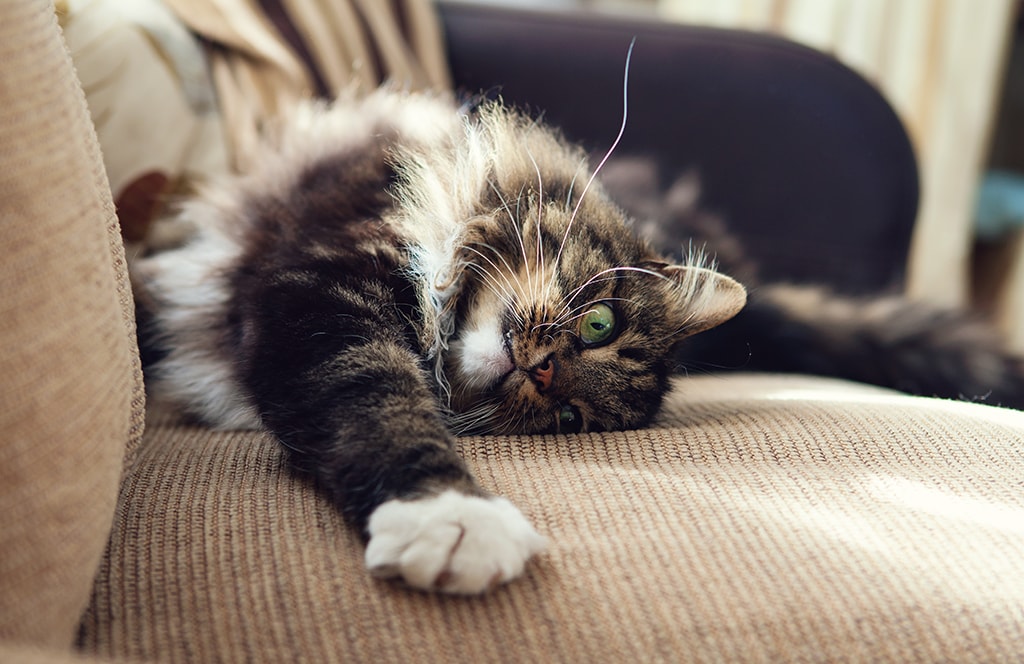
If you share your home with a dog or cat, you already know the deal. Fur shows up on your couch cushions, your dark pants the minute you sit down, the baseboards you just cleaned last week, and somehow the ceiling fan. Pet ownership comes with a lot of joy – and a relentless supply of hair to go with it.
The good news is that you do not need a specialty vacuum or a cabinet full of cleaning products to stay ahead of it. Most of the tools that work best for removing pet hair are already sitting in your kitchen or bathroom. Here are twelve methods that actually work, organized by surface type, so you can go straight to the one you need.
Removing Pet Hair from Upholstered Furniture
Fabric sofas, armchairs, and cushioned ottomans are where pet hair embeds deepest. The fibers grip the hair, and running a vacuum over the surface often redistributes it more than it removes it. These methods work better.
Rubber gloves. Put on a standard rubber dish glove, dampen it slightly with water, and run your palm firmly across the cushion surface. The rubber creates static that pulls hair away from fabric and rolls it into clumps you can collect by hand. Rinse the glove as it fills up and repeat. This works on car seats too.
Tape wrapped around your hand. Works the same way a lint roller does, at zero cost. Wrap packing tape or duct tape around four fingers with the sticky side facing out, press firmly onto the fabric, and lift. Peel off the used layer and keep going. If you have double-sided tape and an old paint roller core, you can reassemble it as a reusable lint roller.
DIY paint roller. Find an old paint roller in the garage and wrap the roller portion with duct tape, sticky side out. Roll it across your sofa, chairs, and cushions. It covers more surface area than a hand-wrap and works well for doing a whole couch in one pass.
Dryer sheets. Rub a dryer sheet across upholstered surfaces to lift hair and neutralize the static that makes it cling. These are especially useful as a quick touch-up before guests arrive. They also leave a light, clean scent, which is a bonus in a pet-heavy household.
Fabric softener and a squeegee. This is the method for stubborn hair that has worked its way deep into fabric. Mix a tablespoon or two of liquid fabric softener into a spray bottle of warm water. Lightly mist the surface, then run a rubber window squeegee across it. The hair gathers into rows you can pick up easily. Let the furniture dry fully before use.
Hairspray on a cloth. Spray a small amount of hairspray onto a paper towel or rag – not directly onto the furniture. Press the damp side firmly onto the surface, then lift. The tack grabs the hair cleanly. Re-spray the cloth and repeat across the cushion.
Removing Pet Hair from Carpets and Rugs
Pet hair on carpet is a different problem. Carpet fibers hold hair in place, and a standard vacuum pass often pushes it deeper rather than pulling it out.
Vacuum in two directions. This is the single most effective upgrade to your regular vacuuming routine. Vacuum the carpet in one direction, then come back and vacuum perpendicular to your first pass. Hair that was bent flat by the first pass gets lifted by the second. This works especially well on loop-pile and berber carpets where hair gets pressed down rather than sitting on top.
Pumice stone. A pumice stone used for foot care works well on low-pile carpets and area rugs. Hold it at a low angle and scrape it in short strokes across the surface. Hair clings to the pumice texture and lifts out of the fibers. Rinse the stone when it fills up. This also works on car floor mats.
Rubber squeegee on carpet. The same squeegee used on upholstery can be dragged across carpet to gather hair into rows before vacuuming. This is particularly useful along stairs and edges where vacuums lose suction.
Removing Pet Hair from Hard Floors
Hardwood, tile, and laminate present a different challenge. Hair on hard floors moves with air currents – sweeping tends to scatter it rather than collect it.
Microfiber cloth or mop. Dampen a microfiber cloth or flat mop slightly before using it. The microfiber grabs and traps hair instead of pushing it around. Work in long strokes toward a single collection point and pick up the pile at the end. Rinse the cloth frequently so you are collecting hair rather than redistributing it.
Emery board on chair legs. This one is easy to overlook. The base of chair and table legs collect a surprising amount of hair, especially when legs have rubber or felt pads that act like velcro. Take an emery board and run it along the leg base to pull the hair off. Takes thirty seconds and makes a noticeable difference in what ends up back on your floor.
Why Pet Hair Never Seems to Stay Gone
Even in homes that are vacuumed multiple times a week, pet hair can feel like it comes back within days. The reason is usually accumulation in zones that standard cleaning does not reach: baseboards, furniture frames, door frame ledges, and high-traffic paths your pet uses daily. Hair builds up in these spots week after week, and every time someone walks through or a fan turns on, it redistributes back into the home.
Boise’s climate adds to this. Seasonal changes and indoor heating during colder months tend to increase shedding, which means the problem spikes during exactly the times your home is sealed up tightest. Beyond the visible mess, accumulated pet hair carries dander that can worsen allergies and asthma, and hair that gets into vacuum filters and air vents shortens the life of both. The methods above work well for visible surface hair. But the buildup zones – the areas vacuums miss – require a different approach.
When Surface Cleaning Is Not Enough
There is a point in most pet households where DIY maintenance keeps the surface clean but the home never quite feels fully fresh. That is usually a sign that buildup has accumulated in the places that do not get attention in a normal cleaning pass.
Professional cleaning addresses those zones directly. At Fabulously Clean, our teams work through the areas that matter most in pet households: baseboards, furniture frames, pet traffic areas, upholstery, and the corners and edges that most vacuums miss. We use HEPA-filter equipment that captures dander rather than recirculating it, and our service includes attention to the spots where hair concentrates between visits.
For households with multiple pets or heavy-shedding breeds, recurring cleaning makes a compounding difference. A bi-weekly schedule prevents buildup from ever getting ahead of you, which means each visit is lighter work and the home stays at a consistent baseline between appointments. Many Boise pet owners find that after a few months on a recurring schedule, their own upkeep between visits gets noticeably easier – less hair available to circulate means less work to do daily.
If you have been relying on deep cleaning once or twice a year to reset the home, that works as a starting point, but hair and dander return quickly without ongoing maintenance. The rhythm matters more than the intensity.
Ready to stop chasing fur and start staying ahead of it? Learn more about our house cleaning services in Boise and request a quote. We are happy to talk through a schedule that works for your household.
Frequently Asked Questions
What is the most effective way to remove pet hair from a fabric sofa?
Rubber gloves with a light dampness work well for most upholstery. Run your palm firmly across the fabric and the static pulls hair off cleanly. For hair that is deeply embedded, a spray of diluted fabric softener followed by a rubber squeegee is the most thorough method.
How do I get pet hair out of carpet without a special vacuum attachment?
Vacuum your carpet twice, in two different directions. Vacuuming only one direction misses hair that lies flat in the fibers. A pumice stone used in short strokes before vacuuming also pulls embedded hair to the surface where the vacuum can capture it.
Why does pet hair keep coming back even after I clean?
Hair builds up in zones that regular cleaning misses: baseboards, furniture frames, door ledges, and pet traffic areas. When these spots are not addressed consistently, hair redistributes back into the home. This is why homes vacuumed frequently can still feel furry – the surface gets cleaned but the accumulation zones do not.
Are dryer sheets safe to use on furniture?
Yes, for most upholstered surfaces. Run a dryer sheet across the fabric to lift hair and reduce the static that makes it cling. Avoid using them on leather or delicate fabrics. They work especially well as a quick touch-up method between deeper cleanings.
How often should pet owners have their home professionally cleaned?
Most households with one or two pets see good results on a bi-weekly schedule. Homes with multiple pets, heavy-shedding breeds, or residents with pet allergies often benefit from weekly service. The goal is preventing buildup from accumulating rather than trying to reverse it after the fact.
Does professional cleaning actually make a difference for pet hair?
Yes, particularly for the buildup in areas that standard vacuuming misses. Professional cleaning addresses baseboards, furniture frames, corners, and high-traffic pet zones that accumulate hair over time. HEPA-filter equipment also captures dander rather than recirculating it, which matters for air quality in pet households.