Most cleaning routines hit the same surfaces every time: countertops, floors, toilets, stovetop. These are the visible areas that look dirty when neglected and clean when addressed. The problem is that a house can look clean and still harbor significant buildup in the places that never make the regular list.
The spots below are consistently overlooked, consistently dirty, and most of them take less than five minutes to address once you know the right method. Working through this list once and adding the applicable items to your regular rotation makes a measurable difference in the actual cleanliness of your home – not just its appearance.
High-Touch Surfaces That Almost Never Get Disinfected
Remote controls. Handled multiple times a day, rarely cleaned. Remove the batteries and wipe the surface with a disinfectant wipe. Use a cotton swab dipped in rubbing alcohol to clean between and around the buttons where grime and skin oils concentrate. Let dry before replacing the batteries.
Light switches. One of the highest-touch surfaces in any room and almost never on a cleaning checklist. Wipe with a disinfectant wipe or a cloth lightly dampened with disinfectant spray. Avoid saturating – excess liquid near electrical components is a problem. A quick wipe takes ten seconds per switch.
Refrigerator handles, cabinet pulls, and door knobs. These transfer whatever is on hands directly to the next person who touches them. Wipe with disinfectant wipes as part of your weekly kitchen and bathroom pass. During cold and flu season, increase to daily.
Appliances: The Surfaces You Use Every Day but Never Clean Inside
Inside the microwave. Fill a microwave-safe bowl with water and heat it on high for three to five minutes. The steam loosens splattered food and grease from every surface. Wipe down with a damp cloth immediately while still warm. The steam does the work – no scrubbing needed.
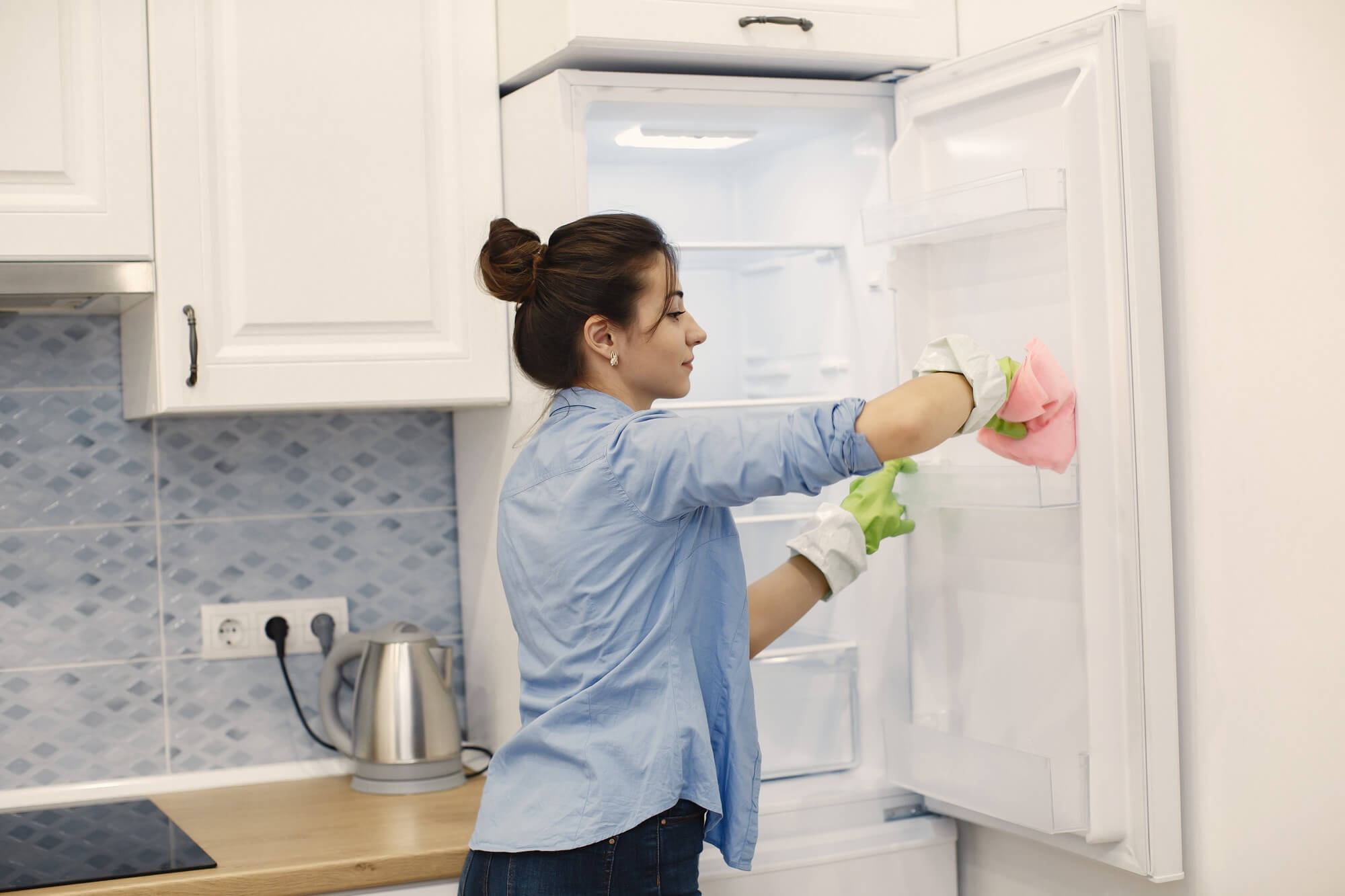
Inside the refrigerator. Remove all items and pull out shelves and drawers. Wash removable parts in hot soapy water and wipe interior walls with a solution of baking soda and water. This neutralizes odors rather than masking them. Replace shelves, check expiration dates as you reload.
Inside the oven. Food particles and grease that bake onto oven walls at high temperature over time become a fire hazard as well as a source of persistent odors. Most ovens have a self-clean cycle – use it. For spot cleaning between cycles, a paste of baking soda and water applied overnight and wiped off the next morning handles most buildup without harsh chemicals.
Underneath appliances. Pull the refrigerator, stove, and dishwasher out from the wall periodically – at minimum once or twice a year. Crumbs, grease, and moisture accumulate underneath and behind these appliances, attracting pests and producing odors. Vacuum the debris, wipe the floor, and clean the coils on the back of the refrigerator while you have access. Dirty refrigerator coils reduce efficiency and increase energy use.
Bathroom Zones That Get Missed
Toothbrush holders. Toothpaste residue, water, and bacteria accumulate at the bottom of toothbrush holders faster than most people expect. Wash weekly with hot soapy water. For a deeper clean, soak in a mixture of white vinegar and water for a few minutes before rinsing thoroughly.
Bathroom ventilation fans. The fan pulls humid air out of the bathroom and, over time, accumulates significant dust on its blades and housing. A dirty vent fan loses effectiveness, which contributes to moisture buildup and mold risk. Turn off the power at the breaker or switch, remove the cover, wipe the blades and housing with a damp cloth and mild detergent, let dry completely before replacing. Add this to a quarterly rotation.
The base of the toilet and floor around it. The visible surfaces of a toilet get cleaned regularly. The base, the floor immediately around it, and the wall behind are easy to miss. These areas collect bacteria-laden splashes and should be included in your weekly bathroom pass.
Kitchen Infrastructure
Kitchen sink drain. Food particles and grease build up in the drain and trap over time, producing odors and slowing drainage. Pour half a cup of baking soda down the drain followed by half a cup of white vinegar. Let the fizzing reaction work for five minutes, then flush with hot water. For stubborn buildup, use a drain brush to scrub the drain opening and visible trap area. Do this monthly to stay ahead of accumulation.
Inside cabinets and drawers. Cabinet interiors and drawers trap crumbs, spills, and dust. Empty each cabinet or drawer, vacuum out loose debris, and wipe interior surfaces with a damp cloth and mild cleaner. Doing the kitchen once or twice a year – working through a few cabinets each time rather than all at once – keeps it manageable. Bathroom cabinets with cleaning products deserve the same treatment; product residue and moisture accumulate underneath bottles.
Dust Collectors That Affect Air Quality
Ceiling fan blades. A dusty ceiling fan redistributes dust and allergens throughout the room every time it runs. Use a microfiber duster or damp cloth on each blade. The pillowcase method – slide an old pillowcase over each blade and pull back slowly – captures the dust inside the case instead of sending it into the air. Clean monthly, or more frequently in bedrooms where allergy sufferers sleep.
Baseboards and molding. Baseboards collect dust, scuffs, and pet hair along the floor line in every room. A damp microfiber cloth run along the top and face of each baseboard takes a few minutes per room and makes a noticeable difference in how clean a room looks and how much dust circulates. Add to a monthly rotation.
Air vents and HVAC filters. Vents accumulate dust on the grilles and redistribute it into the room with every cycle. Wipe vent covers with a damp cloth and replace HVAC filters every one to three months. A clogged filter reduces system efficiency and recirculates allergens. If vents have not been professionally cleaned in several years, duct cleaning is worth considering – particularly after renovation work or in homes with pets.
Window tracks and blinds. Window tracks collect dirt, dead insects, and moisture that can lead to mold. Use a small brush or vacuum attachment to remove loose debris, then wipe with a damp cloth. For stubborn grime in track grooves, a cotton swab works well. Wipe blinds with a microfiber cloth or damp rag weekly – a dusty blind sends particles into the air every time it is adjusted.
Storage Areas
Inside closets and drawers. Closets are easy to declutter and hard to actually clean. Dust settles on shelves and floors, and items on shelves can attract pests if there is any food residue nearby. Pull items off shelves once or twice a year, vacuum the floor, wipe shelves with a damp cloth, and check for anything that should not be there. Drawer liners help keep drawer interiors clean between proper cleanings.
Pet feeding areas. Pet bowls accumulate bacteria rapidly – more so than most household surfaces – because they combine moisture, food residue, and warm temperatures. Wash food and water bowls daily with hot soapy water and rinse thoroughly. Clean the floor area around the bowls regularly; spilled water and food attract pests and leave residue that builds up. Wash fabric pet beds on a weekly or bi-weekly cycle.
When to Hand This Off
The spots listed above can all be handled in a regular home cleaning routine once you know to include them. The challenge is that many of them are not obvious until they are already significantly built up – underneath appliances, inside ducts, deep in oven interiors – and at that point they benefit from the tools and technique a professional team brings.
Our deep cleaning services in Boise are specifically designed to address the areas that routine cleaning misses. A deep clean works through every zone on this list and sets a clean baseline that is much easier to maintain afterward. Request a free estimate and we will walk you through what we cover.
Frequently Asked Questions
How often should these overlooked areas be cleaned?
High-touch surfaces like remote controls, light switches, and refrigerator handles should be wiped weekly. Ceiling fans, baseboards, bathroom vent fans, and window tracks work well on a monthly rotation. Underneath appliances, inside ovens, and inside cabinets are best addressed quarterly or at minimum twice a year.
What is the easiest way to clean a microwave?
Heat a bowl of water in the microwave on high for three to five minutes. The steam loosens splattered food and grease from the walls and ceiling. Wipe down immediately with a damp cloth while everything is still warm and loose. No scrubbing or harsh products needed.
How do I clean a kitchen drain without chemicals?
Pour half a cup of baking soda followed by half a cup of white vinegar down the drain. The fizzing reaction breaks down organic buildup. Let it work for five minutes, then flush with hot water. A drain brush can scrub the opening and visible trap area for stubborn buildup. Do this monthly to prevent accumulation and odors.
Why does my ceiling fan make the room dustier when I turn it on?
Dust accumulates on the top surface of fan blades and gets launched into the air when the fan runs. Cleaning fan blades monthly – using a damp microfiber cloth or the pillowcase method to capture dust rather than scatter it – prevents this. This matters most in bedrooms and in homes with allergy or asthma sufferers.
How do I clean underneath the refrigerator without moving it?
Most refrigerators have wheels or glides and can be pulled straight out with moderate effort. Once out, vacuum the floor and clean the coils on the back – dirty coils reduce efficiency. If moving it is not possible, a long, flat vacuum attachment can reach some of the floor area underneath. Full access is preferable at least once a year.
When does a home need a professional deep clean versus routine cleaning?
A professional deep clean is appropriate when areas have built up significantly beyond what routine cleaning addresses – underneath appliances, inside ovens, ducts, grout, and deep upholstery. It is also the right starting point for a home that has not been thoroughly cleaned in some time, setting a clean baseline before transitioning to regular maintenance.